NITASA Calls for Stronger Support for South Africa’s Informal Economy
The National Informal Traders Alliance of South Africa was formed in 2023 and register as Nonprofit Organization with the mandate of uniting informal traders to create a strong voice and advocate for the informal economy sector. In addition to this mandate, the alliance aims to introduce developmental programs that address the socio-economic challenges faced by the informal economy sector.
SIGNIFICANCE OF INFORMAL ECONOMIC IN SA
According to the South African Local Government Association, informal economic activities are inherently unrecorded, making them difficult to measure. Some estimates suggest that the informal economy accounts for approximately +/-12% of South Africa’s GDP. The Quarterly Labour Force Survey indicates that, there were 3 million people in South Africa engaged in the informal economy (excluding the agricultural sector). A provincial breakdown reveals that Limpopo has the largest relative informal economy, with around 34% of its total economic activity occurring in this sector. Informal employment also plays a significant role in Mpumalanga, the Eastern Cape, the Free State, and KwaZulu-Natal, where it constitutes more than 20% of non-agricultural employment in each of these provinces.
The relative share of the informal economy by province shows a correlation with overall unemployment rates, suggesting that for many individuals, the informal economy serves as an alternative to unemployment. It is argued that without the informal economy, the unemployment rate would increase to approximately 52.2%. This highlights the importance of the informal economy in pro-poor economic development policy, which is even greater than its relative size indicates.
There is little doubt that NITASA is organizing within a sector of strategic importance, as the unemployment rate is just over 32.7%.
NITASA’S PERSPECTIVE LOCAL ECONOMY
We believe that the informal economy serves as the cornerstone of our domestic economic landscape. By addressing the following specific AREAS OF CONCERN, we estimate that approximately 75% of current challenges could be resolved, significantly boosting national development:
Development and Enactment of an Informal Economy Act
Municipal Trading Permits and Operating Space
Trading Infrastructure and Facilities
Impact of Foreign Nationals on the Township Economy
Chamber Support and Government Partnership
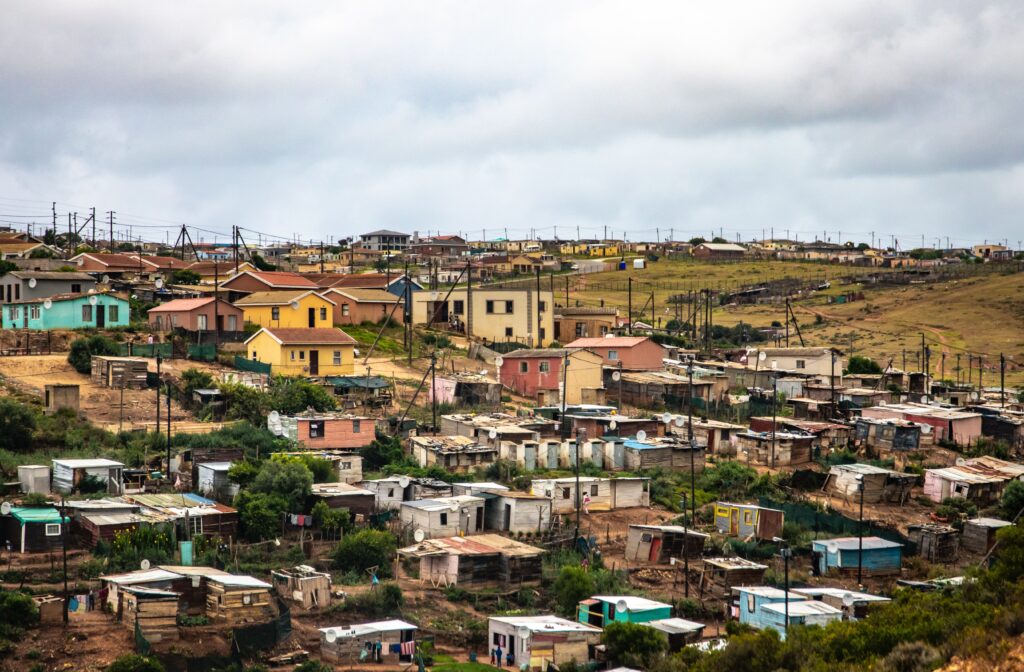
NITASA’S 5 SPECIFIC AREAS OF CONCERN
1. DEVELOPMENT AND ENACTMENT OF AN INFORMAL ECONOMY ACT
We believe there is an urgent need for a dedicated legislative framework and policy alignment specifically designed to protect this sector. Given that the informal economy now serves a significant portion of the population and represents a cornerstone of our domestic economy, formal protection is essential.
Our proposal for this legislative framework focuses on three primary pillars of protection amongst others:
● Social Protection: Ensuring workers within the sector have access to necessary social safety nets.
● Business Development: Providing the resources and structural support needed for informal businesses to grow and thrive.
● Financial Protection: Establishing safeguards to ensure financial stability and inclusion for participants in the sector.
2. MUNICIPAL TRADING PERMIT AND OPERATING SPACE CHALLENGES
Our members are currently facing significant administrative barriers that impact our daily operations. To address these issues, we are advocating for the implementation of national standardized trading permits across all municipalities. We believe that a uniform approach will streamline processes and help resolve the operational hurdles currently faced by our members.
3. TRADING INFRASTRUCTURE AND FACILITIES
NITASA needs to bring your attention to several critical issues regarding its members’ trading infrastructure and facilities. Currently, our members are primarily operating on land belonging to the municipality. This ownership structure significantly limits their ability to implement necessary improvements and developments. We are requesting the provision of safe and dignified trading spaces equipped with essential services, especially within the cities. It is vital that these areas are developed appropriately to ensure that our operations can be conducted with the dignity they deserve.
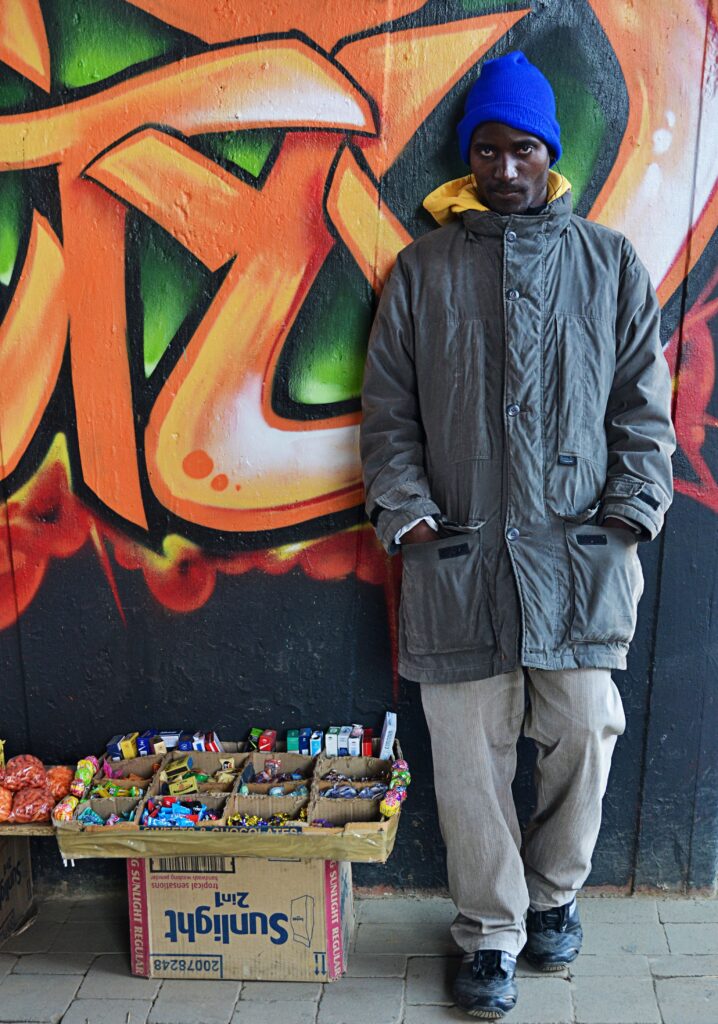
4. CHAMBER SUPPORT AND GOVERNMENT PARTNERSHIP
We strongly believe that if the government provides capacity-building support to organized traders within this sector, it will be mutually beneficial. There are specific challenges that the government cannot effectively address without the full participation of the people within the sector themselves. While we seek a formal partnership with the government, such a collaboration will not be impactful for either party without the necessary capacity.As a nation, South Africa has seen a shift in the local economy due to challenges in coordinating our domestic economic activities. During the transition to democracy, the informal economy was largely overlooked as it was not expected to play a significant role. However, circumstances have changed, and there is now an urgent need for this sector to be developed and integrated.
5. IMPACT OF FOREIGN NATIONALS ON THE TOWNSHIP ECONOMY
The significant impact of Foreign Nationals on the township economy is a worrying factor for us. While we understand that this is a complex issue requiring cooperation across multiple departments, we specifically look to the Department of Small Business Development (DSBD) to lead the way in supporting Local Nationals. We believe that if the Department strictly implements its existing laws and policies regarding Foreign Nationals, it would greatly ease the current tensions we are experiencing. It is our hope that the government will begin assisting Local Entrepreneurs based on their actual expressed needs, rather than providing support based on what the government assumes they require. The Department must take active steps to neutralize the disproportionate influence of Foreign Nationals within the Local Economy. The current percentage of Foreign National participation is unacceptable, particularly as many activities are not in compliance with our laws.
CONCLUSION
In conclusion, I would like to take this opportunity to express our gratitude to the portfolio committee for offering us the opportunity to raise our concerns.As I conclude, I would like to make a request to the Chairperson: please do not allow this engagement to end today without bearing fruit for us as a part of South African society.
The struggle continues.
Download a PDF version here.
For media enquiries, please contact:
Olivia Lee
[email protected]
Featured image: Conchi Martinez – stock.adobe.com